What Comes After Fellowship? Dr. Alexis Linnebur on Transitioning to Practice
Alexis Linnebur, DMD
12/8/2025
Oral and maxillofacial surgeons (OMS) undergo a decade or more of intensive training — from dental school through residency and often fellowship. While hands-on experience is a cornerstone of every OMS program, the shift from the structured environment of education to independent practice can be jarring. Alexis Linnebur, DMD, shares how she’s navigating the challenges and growth that come with this pivotal transition.
ACOMS: What were the biggest challenges you faced during your transition from residency to practice?
Alexis Linnebur (AL): I found that one of the most challenging aspects from fellowship to practice was the autonomy I had in private practice. In both residency and fellowship, there’s always someone — attendings and coresidents — to discuss complex cases or help troubleshoot ideas. However, in practice, those safety nets fall away and you quickly realize that every decision, from your clinical management to business operations, rests on you. Learning to balance surgical precision with efficient practice management was a steep but invaluable learning curve.
ACOMS: How did you prepare — professionally and personally — for entering full-time clinical work?
AL: Professionally, I focused on my clinical foundation and surgical skills during fellowship. I also made an effort to learn the administrative side of private practice, including billing, insurance, and workflow efficiency. I had weekly meetings during fellowship with administration for my job which forced me to learn the business and administrative aspects we aren't taught during training. Personally, I made sure to set realistic expectations. Residency and fellowship demand constant sacrifice from family and friends. I knew that in practice I would set realistic boundaries early — making time for rest, family, and interests outside of surgery.
ACOMS: Were there any surprises or realities of practice life that residency didn’t fully prepare you for?
AL: Residency prepares you exceptionally well for patient care but not necessarily for the business and administrative aspect. Managing staff, navigating insurance challenges, and understanding overhead costs were all eye-opening experiences. Another surprise was how much patient expectations differ in private practice. The emphasis shifts from academic rigor to patient experience and communication — skills that aren’t always at the forefront during training. Communicating with patients on a level they understand in order to set realistic expectations has been a learning curve. However, these are crucial to long-term success.
ACOMS: What role did mentorship or community support play during that pivotal time?
AL: Mentorship was absolutely essential. I leaned heavily on mentors from residency and fellowship for both clinical and career guidance. Even after starting practice, I continued to reach out to them to discuss complex cases or strategic decisions. While I don't have a community of colleagues locally, I do have colleagues across the states who I have no problem reaching out to.
ACOMS: Can you share a moment that has affirmed you are on the right path?
AL: I currently work in an underserved area and am a surgeon the local and surrounding communities can send their complex patients to for treatment. It has been gratifying knowing that these people are thankful for the care I am able to provide.
ACOMS: How do you maintain balance and make time for joy or personal fulfillment outside of work?
AL: Balance doesn’t come automatically — you have to build it intentionally. I try to keep my evenings and weekends as protected as possible and prioritize time with family. Exercise, travel, and hobbies outside of surgery help keep things in perspective. I’ve learned that taking care of myself ultimately makes me a better surgeon and a better person for my patients.
ACOMS: What advice would you give to current residents who are about to make this transition?
AL: First, trust the training you’ve received — you’re more capable than you think. Second, don’t underestimate the business and interpersonal aspects of practice; seek out mentors who can help you navigate those areas. I've learned a lot of hard lessons along the way and would be more than happy to help if people have questions when they begin to start out on their own. Finally, remember that your career is a marathon, not a sprint. Protect your curiosity, your compassion, and your personal life. Those are the things that will sustain not only your practice but yourself in the long run.
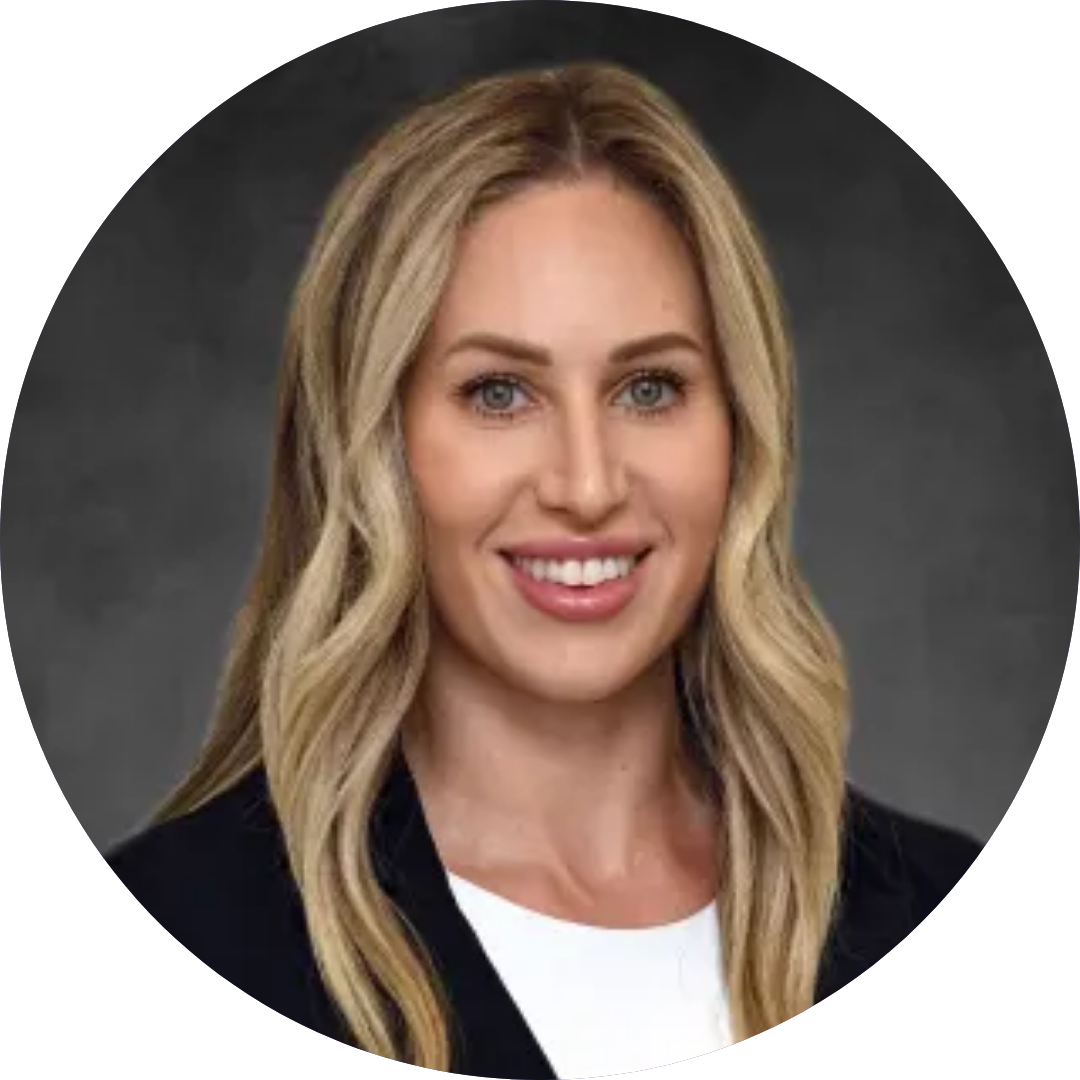
Alexis Linnebur, DMD
Alexis M. Linnebur, DMD, is a dedicated and highly trained specialist in maxillofacial surgery with extensive experience in pediatric cleft and craniofacial surgery. She completed her fellowship in pediatric cleft and craniofacial surgery at Arnold Palmer Hospital for Children/Orlando Health, where she was able to hone in on the skills of addressing complex congenital conditions and enhancing the quality of care for children and their families.
She has had a strong commitment to advancing the field through both clinical practice and research throughout her training. Her research interests have led to contributions in several published chapters and studies, focusing on areas such as velopharyngeal insufficiency, trigeminal nerve reconstruction, and complications in oral and maxillofacial surgery. In addition to her clinical and research work, she continues to be passionate about leadership and mentorship.
In her free time, Dr. Linnebur loves spending time with her family golfing, walking her dogs, hiking, working out, and cooking.