Integrating Mindfulness Into OMS: A Conversation With Angelle Casagrande, DDS, MD
Angelle Casagrande, DDS, MD
12/8/2025
Navigating challenging or transitional times can be stressful, no matter your career stage. Mindfulness and meditation are tools that can help — and Angelle Casagrande, DDS, MD, has spent years cultivating these practices. Now, she’s passing that benefit on to her dental residents. Read on to learn how she developed her approach and what advice she offers to other oral and maxillofacial surgery (OMS) professionals who are curious about getting started.
ACOMS: How did you first get started with mindfulness and meditation?
Angelle Casagrande (AC): My introduction to mindfulness and meditation was a family affair, guided by my mother's influence and interest in yogic traditions and Ayurveda. While still in school, I began practicing transcendental meditation and even used a guided meditation CD called "Good Study Habits" to support my academic focus, long before these practices were common in medical circles. These early experiences established a foundation of mindfulness, though it was a practice I pursued more intensely later in life, particularly after my surgical career. Following retirement and with more time during the pandemic, I deepened my commitment by completing both a 200-hour and a 300-hour yoga teacher training course, which rounded out my understanding of these practices. I have taken continuing education courses related to yoga in healthcare and completed a one-year course in mindfulness mastery.
ACOMS: What role do these practices play in your life as an oral and maxillofacial surgeon?
AC: While actively practicing, these mind-body techniques were essential tools for managing the high-stakes environment of oral and maxillofacial surgery. Before complex procedures, I would mentally rehearse the surgery in my mind's eye, visualizing a smooth and successful outcome. This mental preparation was a form of focused mindfulness that helped sharpen my concentration and manage anxiety. In my current role teaching dental residents, I integrate these practices by sharing a simple breathing technique with them. The goal is to give them a practical tool for finding composure and clarity in high-pressure situations, mirroring the mental preparation I relied on for decades.
ACOMS: How has mindfulness helped you manage the demands of current or previous role?
AC: Mindfulness was a critical skill for navigating the demands of surgical practice and training. The ability to remain present and not be consumed by the day's inherent stress was vital, from mentally rehearsing difficult cases to processing the day's events. I would review my day's procedures in my head at night, reflecting on any aspects I might have handled differently. This is a mindful practice of self-correction, not self-criticism, which was crucial for professional growth and leaving work behind at the end of the day.
ACOMS: Are there particular techniques or routines you rely on during stressful times?
AC: During stressful periods, I rely heavily on two specific routines. The first is a brief, powerful breathing exercise that I teach to my residents and yoga students. I simply ask them to sit quietly, close their eyes, and observe their breath without trying to control it, noticing the inhale, the exhale, and the pauses between each. This 30-60-second exercise powerfully brings a sense of calm and focuses the mind. For patients struggling with anxiety before a procedure, I use a co-breathing technique with the patient and staff, inhaling for three seconds, holding for three, and exhaling for six. This paced breathing helps to down-regulate the nervous system and build patient trust.
ACOMS: How do you maintain consistency with meditation or mindfulness in a busy schedule?
AC: Maintaining consistency in my practice has been a journey with its ups and downs. I admit that I sometimes miss days or even weeks of formal meditation. However, I have learned to recognize a shift in my anxiety levels and clarity of mind when I fall off track. When this happens, I set a reminder to get back to my practice, and I notice a quick improvement in my focus and overall mood. One of the most effective strategies I use to stay consistent is attending weekly yoga classes. This routine provides structure and external accountability, which keeps me on track with my mindful habits.
ACOMS: Have these practices influenced how you approach patient care or teamwork?
AC: Mindful practices have deeply influenced my approach to both patient care and teamwork by fostering a more empathetic and connected approach. By incorporating breathing exercises with anxious patients and the surgical staff, I create a more tranquil and cohesive environment. This shared, intentional breathing allows for better synchrony and calm in the operating room. This approach moves beyond simply treating a medical condition and acknowledges the patient's anxiety and human experience, building trust and strengthening the patient-provider relationship.
ACOMS: What advice would you give to other healthcare professionals curious about mindfulness?
AC: To any healthcare professional curious about mindfulness, my primary advice is to start small and be patient with yourself. Begin with a simple, short practice — like the one-minute breathing exercise I teach — and focus on observing your breath without judgment. Consistency over intensity is the key. Don't worry about being perfect; just come back to the practice whenever you remember. Integrating these techniques into your routine, whether it's before a surgery, during a commute, or at the end of the day, can significantly reduce burnout and improve focus. A mindfulness practice is not just a tool for the patient but a vital component of self-care for the clinician, ultimately enhancing both your well-being and the quality of care you provide.
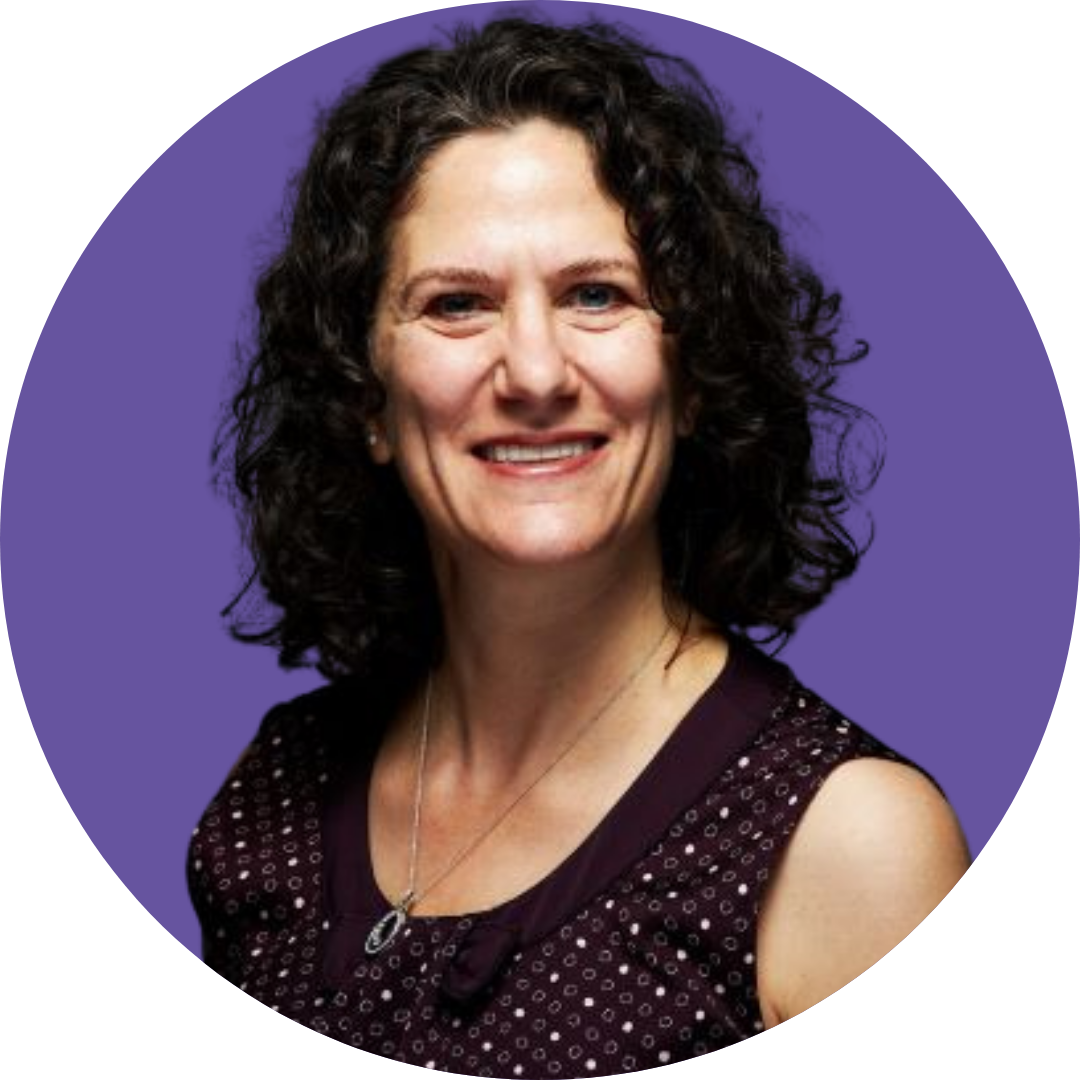
Angelle Casagrande, DDS, MD
Angelle Casagrande, DDS, MD, is a board-certified oral and maxillofacial surgeon with more than 20 years of clinical, academic, and leadership experience. She currently serves as an oral and maxillofacial surgeon at El Rio Health Center and the Winslow Indian Healthcare Center, where she instructs residents in the advanced education in general dentistry (AEGD) residencies.
A graduate of the University of the Pacific School of Dentistry (DDS, with high honors) and the UCLA School of Medicine (MD), Dr. Casagrande completed her oral and maxillofacial surgery residency and general surgery internship at UCLA. She previously held faculty positions at the University of the Pacific and Pima College and served as assistant program director for the oral and maxillofacial surgery residency at Highland Hospital in Oakland, California.
Dr. Casagrande is a diplomate of the American Board of Oral and Maxillofacial Surgery and a fellow of the American College of Dentists and the International Association of Oral and Maxillofacial Surgeons. She has published and lectured extensively on oral pathology, anesthesia, and professional wellness, and integrates mindfulness, yoga, and breathwork into continuing education for dental professionals.
Beyond her surgical practice, Dr. Casagrande has served on committees for the American Association of Oral and Maxillofacial Surgeons, is an examiner for the American Board of Oral and Maxillofacial Surgeons, and is active in community service organizations. Her interests include yoga instruction, auricular acupuncture, travel, and spending time with her family.