Finding Perspective Through 'Smile Bangladesh'
Aram Keteyian, DDS
9/21/2026
Adventure is all around us, including in the work we do. In fact, as a newly practicing Oral and Maxillofacial Surgeon, nearly every new professional experience meets the definition. I’m happy to share one of the most impactful so far.
During my OMS fellowship, I had the opportunity to travel to Bangladesh twice with my fellowship director, Dr. Shahid Aziz, founder of Smile Bangladesh. Dr. Aziz routinely has invited his fellows to participate in these charitable missions over the organization’s more than 30 years in existence. When he encouraged me to participate, I seized the opportunity to work in a different healthcare environment, learn from other surgeons, and help those with limited access to specialized care.
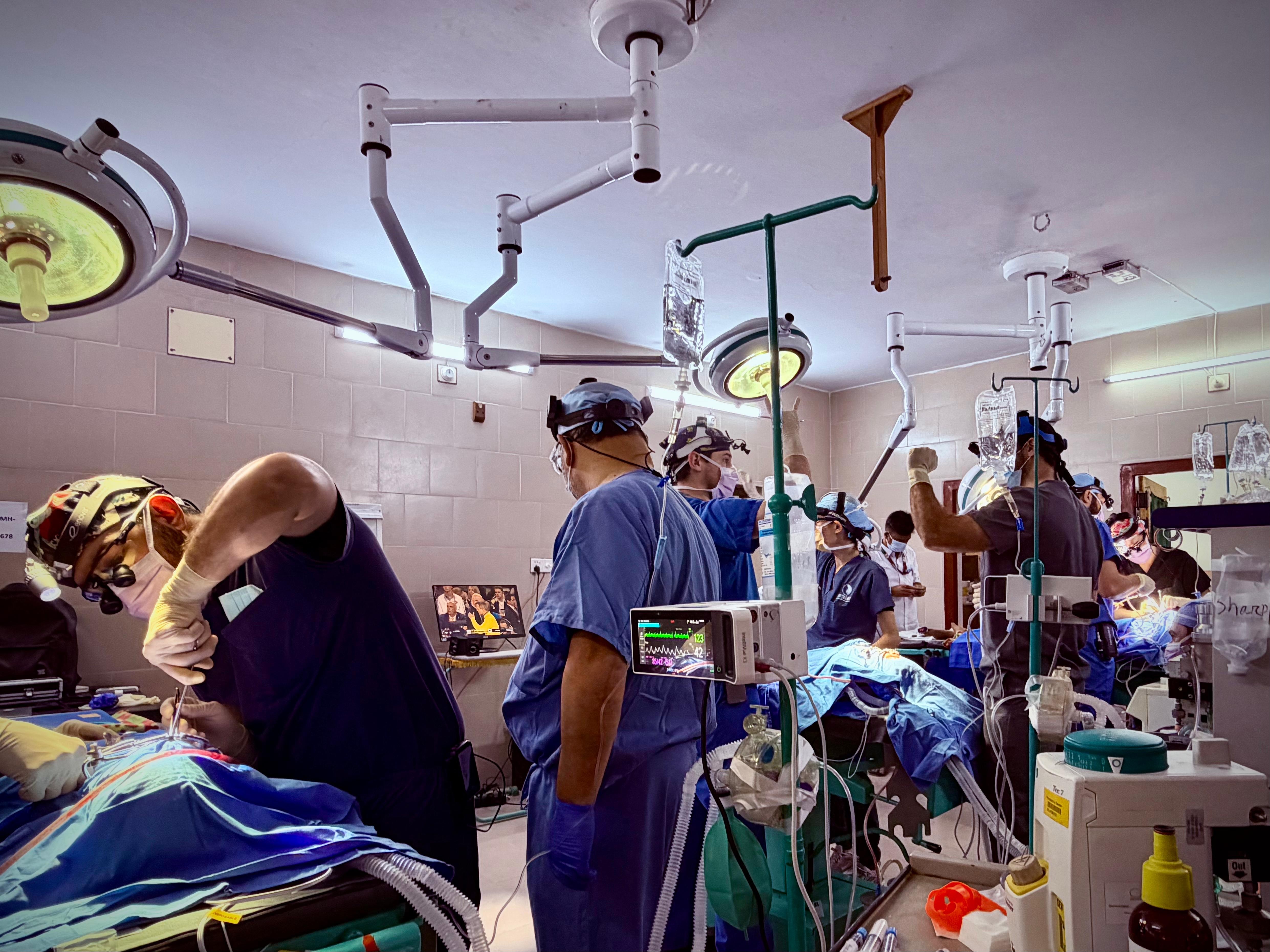
I traveled with a multidisciplinary group that included anesthesiologists, nurses, and OMS residents and surgeons from several training programs. We worked in Dhaka and Khulna, screening patients and providing care for cleft lip and palate, facial clefting, and other craniofacial deformities. Our patients ranged from infants to skeletally mature individuals ready for orthognathic surgery. I performed several orthognathic cases alongside Dr. Aziz and the residents who accompanied us, while also teaching when the opportunities arose. I learned just as much from the surgeons and residents around me, particularly through cases and techniques I had not encountered during my training.
Special Case
One patient was particularly memorable: a young woman with a history of clefting and significant maxillary and mandibular asymmetry who was finally skeletally mature and ready for corrective jaw surgery. She had presented to one of Smile Bangladesh’s triage stations on multiple previous occasions. Each time, however, she had been turned away because patients with more urgent needs — particularly infants with unrepaired cleft lips and palates — had to take priority.
She waited. She came back again, and again she had to wait. Several years passed before we were able to complete her virtual surgical planning and schedule her procedure.
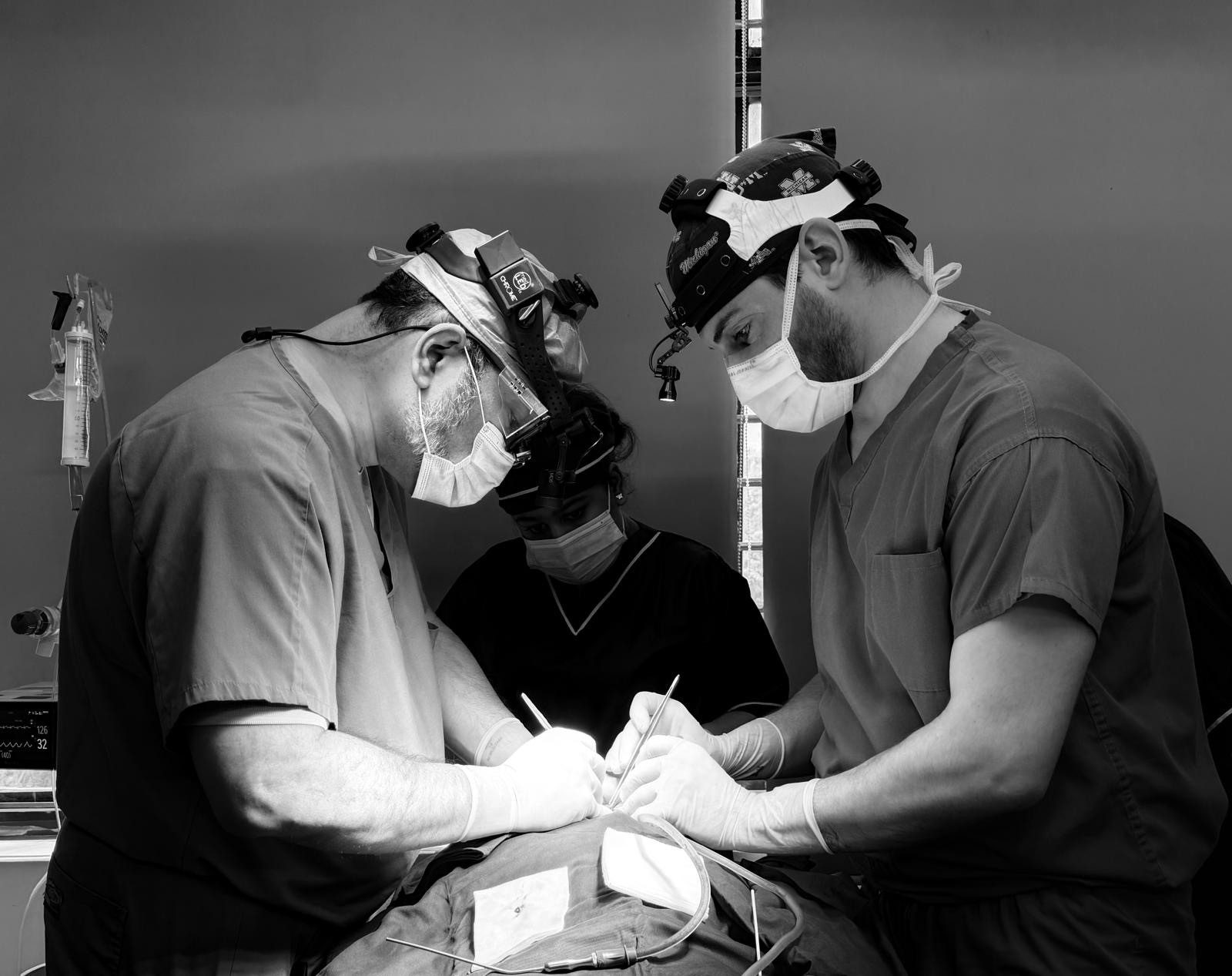
The case was challenging. Orthognathic surgery in cleft patients is notoriously demanding because of previous operations, scar tissue, and anatomical variations. We had a custom cutting guide and patient-specific components available for the maxillary portion of the procedure. After completing the double-jaw surgery, we decided that adding a genioplasty would provide a meaningful improvement in her significant chin asymmetry. This portion had not been virtually planned, and there was no custom guide or patient-specific hardware available.
Instead, we went back to the fundamentals. We completed a standard sliding genioplasty with autografting using stock plates to achieve the desired lengthening, advancement, and symmetry correction. Working alongside one of the Rutgers University chief residents, we achieved a result that was incredibly exciting to us. For me, it was an important reminder that while virtual planning and custom hardware have transformed much of what we do in our specialty, they remain just tools. When those tools are not available, an understanding of anatomy, sound surgical judgment, technical skill, and the ability to adapt remain essential.
The most rewarding part came when the patient and her family saw the result. After years of waiting, she had finally reached the last stage of her surgical journey. Her family was overwhelmed with emotion, and she was genuinely happy with the outcome. For her, this was a moment of closure. For me, it was a privilege to be there for it.
OMS Care, Through a Different Lens
The trips also changed my perspective on access to care. What struck me most was the number of patients who simply could not obtain the care they needed. Financial limitations, lack of transportation, geography, and the availability of trained specialists can all stand between a patient and treatment. Something that may seem straightforward to us, such as closing an oronasal fistula so that a child can eat and speak normally, can remain unresolved for years in Bangladesh.
I was also impressed by how effectively the local teams functioned despite significant differences in resources and infrastructure. The surgeons, anesthesia staff, nurses, and volunteers were incredibly motivated. Although the facilities and equipment differed from what I was accustomed to in the United States, the teams worked efficiently and provided excellent care. Local providers continued caring for patients after we left, maintaining communication with Smile Bangladesh throughout the postoperative period.
The adventure continued outside of the operating room, where we spent many evenings having dinner with families, friends, or others connected to the organization, giving us a chance to experience Bangladesh beyond the hospital. These outings taught me an important cultural lesson: never underestimate Bangladeshi hospitality, or Bangladeshi spice.
Perhaps the greatest lesson I brought home was a greater appreciation for what I have available to me. I practice at a large tertiary care center in rural Pennsylvania, and although access to care can still be challenging in the United States, I am privy to technology, equipment, specialists, and infrastructure that I know should never be taken for granted.
Lastly, I cannot say enough about Dr. Aziz, who works tirelessly to make these trips possible and has devoted so much of his career to these missions. I am incredibly humbled and grateful that he encouraged me to be a part of it and, even more so, that I have had the opportunity to call him my mentor. The example he has set through his commitment to his patients and to service is something I will carry with me throughout my career.
For me, Smile Bangladesh was an opportunity to grow technically and professionally, but it was also a reminder of why I chose OMS. I would encourage colleagues to seek out opportunities that take them outside of their usual practice environment, whether through international service, teaching, research, or community outreach. Our careers demand tremendous time and energy, but finding ways to pair that work with something we are passionate about is incredibly rewarding. These experiences do not simply allow us to give something back; they can change the way we see our patients, our resources, and our profession.
Aram Keteyian, DDS
Dr. Aram Keteyian, DDS, is full-time attending at Geisinger Health System in Danville, Pennsylvania. His current role is full-scope OMS, with interests in craniomaxillofacial surgery, facial trauma, and temporomandibular joint surgery.